

Launch new tech with minimal noise
Launch new tech with minimal noise
Launch new tech with minimal noise
and maximum
and maximum
and maximum
adoption
adoption
adoption
Plan, cascade, and track your program communication to ensure lasting impact. Are you ready to land your tech change?
Complex stakeholder management
made easy
Complex stakeholder management
made easy
Engagement +31%

Engagement Index
Updated 1 day ago
Key users

Engagement Index
Updated 1 day ago
Key users






Tech change = human change
Tech change = human change
Tech change = human change
Implementing enterprise technology isn't just about software;
Implementing enterprise technology isn't just about software;
Implementing enterprise technology isn't just about software;
it’s about changing habits, routines, and power structures. We manage resistance, protecting your investment from profitability drops, unused software, and last-minute firefighting.

Avoid Business Disruption
Prevent the typical 10-15% profitability drop after go-live.

Eliminate Operational Noise
Stop spikes in helpdesk ticket and shorten hypercare cycles.

No Consultants Required
A proven protocol that works without big budgets or consultants.
A proven protocol that works without
big budgets or consultants.
The Playbook
The Playbook
The Playbook
Lead and land your program
communication
in-house
in-house
in-house
UPDATE BACKGROUND
Proven Structured Method
The Change Playbook holds 20 years of accumulated change expertise, digitized into a comprehensive and easy-to-execute guided playbook
Strategy foundation
Align leaders and stakeholders
Planning
Schedule your path to success
Campaign
Ready-to-use change templates
Distribution
Drive impact with real data
1
2
3
4



UPDATE BACKGROUND
Proven Structured Method
The Change Playbook holds 20 years of accumulated change expertise, digitized into a comprehensive and easy-to-execute guided playbook
Strategy foundation
Align leaders and stakeholders
Planning
Schedule your path to success
Campaign
Ready-to-use change templates
Distribution
Drive impact with real data
1
2
3
4
Proven Structured Method
The Change Playbook holds 20 years of accumulated change expertise, digitized into a comprehensive and easy-to-execute guided playbook
Strategy foundation
Align leaders and stakeholders
Planning
Schedule your path to success
Campaign
Ready-to-use change templates
Distribution
Drive impact with real data
1
2
3
4
UPDATE BACKGROUND



Owned by you, supervised by us
Build a culturally aligned strategy using our Academy and asset library. Replace expensive consultants with internal know-how

Change Academy

Expert Support

Inspiration Library
UPDATE BACKGROUND
Owned by you, supervised by us
Build a culturally aligned strategy using our Academy and asset library. Replace expensive consultants with internal know-how
Change Academy
Expert Support
Inspiration Library
Owned by you, supervised by us
Build a culturally aligned strategy using our Academy and asset library. Replace expensive consultants with internal know-how
Change Academy
Expert Support
Inspiration Library
UPDATE BACKGROUND



Conduct a kick-off session
Launch Teams channel
Conduct Q&A

Activate local multipliers
Efficient multiplier activation in dozens of countries: to ensure on-time, on-brand, on-message go live
UPDATE BACKGROUND
Conduct a kick-off session
Launch Teams channel
Conduct Q&A
Activate local multipliers
Efficient multiplier activation in dozens of countries: to ensure on-time, on-brand, on-message go live
Conduct a kick-off session
Launch Teams channel
Conduct Q&A
Activate local multipliers
Efficient multiplier activation in dozens of countries: to ensure on-time, on-brand, on-message go live
UPDATE BACKGROUND



Engagement
Key-User Engagement
Ability
Advocacy
Clarity
95%
89%
79%
Measure adoption readiness
Based on data not anecdotes: So you can intervene fast, before noise make problems when you need least
UPDATE BACKGROUND
Engagement
Key-User Engagement
Ability
Advocacy
Clarity
95%
89%
79%
Measure adoption readiness
Based on data not anecdotes: So you can intervene fast, before noise make problems when you need least
Engagement
Key-User Engagement
Advocacy
Clarity
95%
89%
79%
Ability
Measure adoption readiness
Based on data not anecdotes: So you can intervene fast, before noise make problems when you need least
Benefits
Benefits
Benefits
Accelerate strategy development and skip long-term external support

For CIOs & IT Heads
Elevate IT to a strategic business partner and prove value realization. Avoid the frustration that tech excellence is undermined by people issues. Drive sustainable adoption without expensive, generic system implementor services.
For Comms Teams
Eliminate the risk of confusing, off-brand DIY communications. Give IT the tools to communicate clearly and adhere to brand standards. All while maintaining control and clairity of messages. No execution requiered on your part.
For Program Leads
Avoid "blackbox" surprises and chaotic go-lives. Manage complex stakeholder environments to minimize helpdesk surges and shorten hypercare. Secure high adoption and ROI without relying on generic system implementor resources.
87%
87%
87%
technology adoption rate post go-live - far above the typical 30–60% industry average.
50%
50%
50%
faster creation of communication toolkits frees up valuable project team time and gets the message out quicker.
40%
40%
40%
reduction in tickets in the go-live period = happy hypercare teams and tangible ticket cost savings.






Testimonal
Testimonal
Testimonal
Trusted by leading
international companies
Trusted by leading companies
"They transformed our project into a movement embraced by all leaders. Their innovative strategies and seamless delivery ensured a successful rollout."
Linda Soederberg
CIO SYSMEX
"They transformed our project into a movement embraced by all leaders. Their innovative strategies and seamless delivery ensured a successful rollout."
Linda Soederberg
CIO SYSMEX

FACTS & NUMBERS
283%
growth in platform usage in the first 12 months
FACTS & NUMBERS
283%
growth in platform usage in the first 12 months
"It transformed our IT project into a company-wide movement embraced by all leaders. The creative strategies and innovative approach coupled with seamless delivery provided us with confidence and ensured a successful rollout."
Linda Soederberg
CIO Sysmex
"It transformed our IT project into a company-wide movement embraced by all leaders. The creative strategies and innovative approach coupled with seamless delivery provided us with confidence and ensured a successful rollout."
Linda Soederberg
CIO Sysmex
podcast
podcast
podcast
a Change
in Conversation
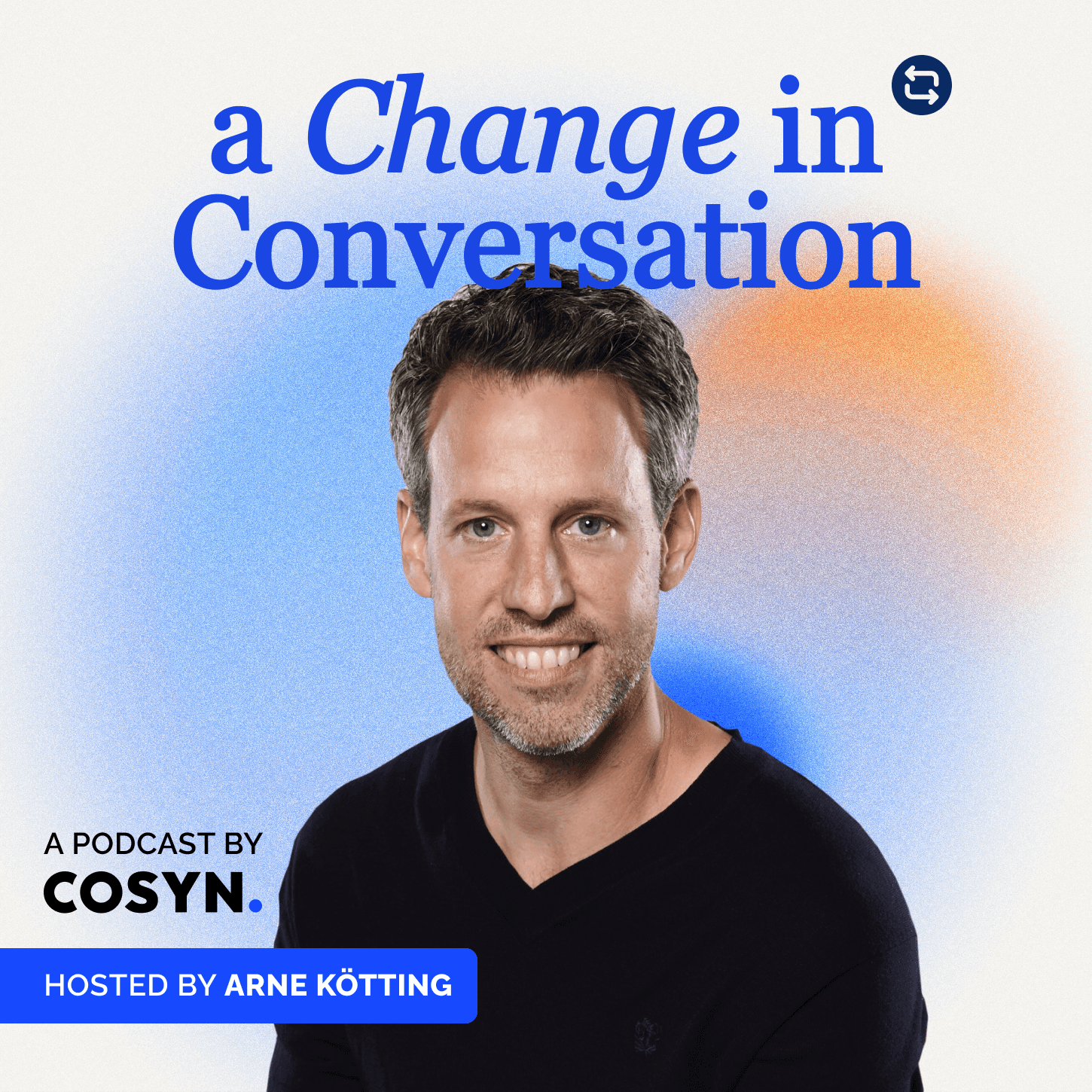
A Podcast for anyone in the trenches of a tech change, from CIO’s to IT leaders and project managers.
Whether you’re rolling out a new HR System, migrating your ERP, or aiming to boost the user-adoption of an existing Self-Service Tool – “A Change in Conversation” will inspire and activate you to launch with impact.
A Podcast for anyone in the trenches of a tech change, from CIO’s to IT leaders and project managers.
Whether you’re rolling out a new HR System, migrating your ERP, or aiming to boost the user-adoption of an existing Self-Service Tool – “A Change in Conversation” will inspire and activate you to launch with impact.
FAQs
FAQs
FAQs
Still have questions?
We've got answers
We've got answers
We already have Change Management — why would we need the Change Playbook?
Most change approaches focus on activities and templates. The Change Playbook focuses on one thing that actually determines ROI: whether people adopt the new way of working. It gives your team a practical, culture-aware protocol to drive adoption consistently, not just “manage change” on paper.
What specific problem does the Change Playbook solve that System Integrators don’t?
System Integrators make sure the technology goes live. The Change Playbook makes sure it sticks. It addresses adoption, stakeholder engagement, and local rollout execution — areas that are typically outside an SI’s core responsibility and often handled with generic, one-size-fits-all approaches.
Can we self-serve the Playbook?
Yes. The Change Playbook is designed to be run in-house. It provides a clear protocol, guidance, and tools that enable your teams to lead adoption themselves, without long-term dependency on external consultants.
We’ve already started our tech change — are we too late to introduce the Change Playbook?
No. Adoption risks don’t disappear once a program starts — they usually increase. Whilst is it best to start with The Change Playbook at the start of your IT program, it can also be introduced at any stage to bring structure, visibility, and alignment, especially ahead of go-live and during rollout across teams and locations.
Who typically owns the Change Playbook internally — IT, the program team, or Comms?
Ownership usually sits with the IT or program leadership, while Internal Comms plays a critical supporting role. The Playbook is designed to connect these functions, not replace them, and create a shared adoption framework everyone can work from.
How much effort is required from internal teams to run the Change Playbook properly?
The Playbook is built to reduce effort, not add to it. It replaces ad-hoc firefighting with a clear structure, guided workflows, and reusable assets. Teams typically spend far less time preparing the communications strategy, develop all materials and manage the roll out. On top of this, the real-time enagement measurement with our Dashboard means our clients spend less time reacting to issues and more time proactively steering adoption.
We already have Change Management — why would we need the Change Playbook?
Most change approaches focus on activities and templates. The Change Playbook focuses on one thing that actually determines ROI: whether people adopt the new way of working. It gives your team a practical, culture-aware protocol to drive adoption consistently, not just “manage change” on paper.
What specific problem does the Change Playbook solve that System Integrators don’t?
System Integrators make sure the technology goes live. The Change Playbook makes sure it sticks. It addresses adoption, stakeholder engagement, and local rollout execution — areas that are typically outside an SI’s core responsibility and often handled with generic, one-size-fits-all approaches.
Can we self-serve the Playbook?
Yes. The Change Playbook is designed to be run in-house. It provides a clear protocol, guidance, and tools that enable your teams to lead adoption themselves, without long-term dependency on external consultants.
We’ve already started our tech change — are we too late to introduce the Change Playbook?
No. Adoption risks don’t disappear once a program starts — they usually increase. Whilst is it best to start with The Change Playbook at the start of your IT program, it can also be introduced at any stage to bring structure, visibility, and alignment, especially ahead of go-live and during rollout across teams and locations.
Who typically owns the Change Playbook internally — IT, the program team, or Comms?
Ownership usually sits with the IT or program leadership, while Internal Comms plays a critical supporting role. The Playbook is designed to connect these functions, not replace them, and create a shared adoption framework everyone can work from.
How much effort is required from internal teams to run the Change Playbook properly?
The Playbook is built to reduce effort, not add to it. It replaces ad-hoc firefighting with a clear structure, guided workflows, and reusable assets. Teams typically spend far less time preparing the communications strategy, develop all materials and manage the roll out. On top of this, the real-time enagement measurement with our Dashboard means our clients spend less time reacting to issues and more time proactively steering adoption.
We already have Change Management — why would we need the Change Playbook?
Most change approaches focus on activities and templates. The Change Playbook focuses on one thing that actually determines ROI: whether people adopt the new way of working. It gives your team a practical, culture-aware protocol to drive adoption consistently, not just “manage change” on paper.
What specific problem does the Change Playbook solve that System Integrators don’t?
System Integrators make sure the technology goes live. The Change Playbook makes sure it sticks. It addresses adoption, stakeholder engagement, and local rollout execution — areas that are typically outside an SI’s core responsibility and often handled with generic, one-size-fits-all approaches.
Can we self-serve the Playbook?
Yes. The Change Playbook is designed to be run in-house. It provides a clear protocol, guidance, and tools that enable your teams to lead adoption themselves, without long-term dependency on external consultants.
We’ve already started our tech change — are we too late to introduce the Change Playbook?
No. Adoption risks don’t disappear once a program starts — they usually increase. Whilst is it best to start with The Change Playbook at the start of your IT program, it can also be introduced at any stage to bring structure, visibility, and alignment, especially ahead of go-live and during rollout across teams and locations.
Who typically owns the Change Playbook internally — IT, the program team, or Comms?
Ownership usually sits with the IT or program leadership, while Internal Comms plays a critical supporting role. The Playbook is designed to connect these functions, not replace them, and create a shared adoption framework everyone can work from.
How much effort is required from internal teams to run the Change Playbook properly?
The Playbook is built to reduce effort, not add to it. It replaces ad-hoc firefighting with a clear structure, guided workflows, and reusable assets. Teams typically spend far less time preparing the communications strategy, develop all materials and manage the roll out. On top of this, the real-time enagement measurement with our Dashboard means our clients spend less time reacting to issues and more time proactively steering adoption.